Specialist Concussion Treatment in Knutsford, Supporting Your Recovery & Return to Daily Life
Concussion symptoms can affect everything from your ability to concentrate and work, to how you move, exercise and function day to day. At Resolve Physio Clinic, I provide concussion treatment in Knutsford through a structured, individual approach that looks into all the different systems that gets out of sink due to the concussion and causing ongoing symptoms. We manage & understand how your body and brain are responding following injury. Acute Concussion should be managed within first 7 days for best outcomes and recovery and prevent PCS/Post Concussion Syndrome. It is important to use experienced and certified help for best recovery outcomes and time frames.
With over 35 years of clinical experience and 7 years of specialist training in concussion management and rehab, my focus is on helping you recover safely, reduce ongoing symptoms and return to work, sport and everyday activities with confidence.




Why Patients Choose Resolve Physio Clinic for Concussion Treatment
Over 35 years of physiotherapy experience
7 years of Specialist training in concussion management systems
Individual assessment across multiple systems, not just symptoms
Experience managing acute concussion and persistent symptoms (PCS)
Structured rehabilitation focused on return to driving, work/school and sport
Managing Vestibular, Ocular, Cervical, Systemic, Cardiovascular, neuro-cognitive, balance etc rehabilitation.
Collaborative approach with healthcare professionals where required
If you are unsure about your symptoms, you are welcome to speak directly with me before booking.
Call 07917 355 110 or email physio.mobie@gmail.com
Concussion can present in many different ways, and symptoms are not always immediate.
There is a total of 22 Common Concussion symptoms, which includes:


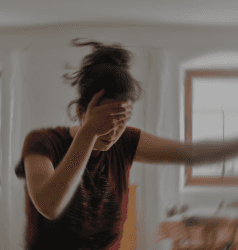





Difficulty concentrating

Balance problems

Sensitivity to light or noise
Symptoms can develop within hours, or sometimes days after a head injury. For this reason, early assessment is important to seek help sooner.
If you are unsure what to do after a head injury, it is always recommended to contact a Specialist Concussion Practitioner, A Concussion or Sports Physician or visit your local A&E.
Early specialist involvement, ideally within the first few days, can help reduce the risk of symptoms becoming persistent.
Understanding Concussion & Why Symptoms Persist
A concussion is not just a head injury. It affects how different systems within your body and brain function together.
In some cases, symptoms settle within a few weeks. In others, people experience ongoing issues known as Persistent Concussion Symptoms (PCS).
This can occur for example when:
Multiple systems are affected, including vestibular, ocular and cervical
Movement, balance or visual systems and others are not functioning efficiently and not well in correlation with each other.
Return to activity happens too slowly or even too quickly or without guidance
My role is to assess which systems are involved and create a rehabilitation plan that addresses them individually and collectively.
My Approach to Concussion Treatment & Rehabilitation
Concussion management requires much more than rest.
Treatment is based on understanding how your symptoms relate to different systems within the body.
During your assessment, I will assess the following:
Vestibular function, balance and dizziness
Ocular function, including visual tracking
Cervical spine involvement
Movement and coordination
Cognitive and functional tolerance
Vagus nerve management
Systemic influences
Cardiovascular fitness
Return to Work /School & driving & sports protocols
In Acute patients - Full neurological assessment to exclude red flags and urgent referral.
This allows treatment to be tailored specifically to you.
Rehabilitation may include the following & more:
Gradual return-to-activity planning
Vestibular and balance retraining
Visual and ocular exercises
Cervical treatment where required
Exercise progression based on tolerance
Advice for work, sport and daily activity
The aim is not only to reduce symptoms, but to restore your ability to function confidently in everyday life, as soon as possible. Currently about 40% of all mild TBi/Concussion patients develops PCS stage, however in CCMI Clinic less than 5% reaches PCS if seen early.


A Structured Return to Work & Sport
One of the most important parts of concussion management is knowing when and how to return to normal activity.
Returning too soon, or without guidance, can delay recovery and increase the risk of ongoing symptoms.
My approach provides:
Clear guidance on activity progression
Monitoring of symptom response
Individual pacing based on your recovery
Support for returning to work, exercise or sport
For active individuals, this may also involve coordination with coaches or training professionals to ensure a safe and effective return.
The clinic, in correlation with CCMI, has online tools to help and guide patients through the rehab process and helps the patient and therapist to have a very hands-on approach during the healing and recovery period.
Personalised Screening & Rehabilitation
Every concussion is different.
Through a detailed screening process, I identify which systems are contributing to your symptoms and how they are affecting your day-to-day function.
This allows me to:
Create a targeted rehabilitation plan
Adapt treatment during your recovery progresses
Provide clear guidance on what to do between sessions and additional support
Support long-term recovery and even short-term relief
You can also explore related services such as Functional Movement Screening where movement and coordination form part of your recovery.

Frequently Asked Questions
What is a concussion?
A concussion is a mild traumatic brain injury that affects how the brain functions. Due to the shearing mechanism of concussion, this causes metabolic cascade. MTBi is not a structural brain injury. mTBi can affect many systems like, impact balance, coordination, vision, concentration and overall physical function.
How long after a head injury can symptoms occur?
Symptoms can appear immediately, or develop over several hours or days. This is why monitoring and early assessment are important.
What should I do after a concussion?
You should seek appropriate medical advice first and a full neurological assessment as soon as possible. After initial assessment, specialised physiotherapy can support recovery by addressing ongoing symptoms and guiding a safe return to activity.
Can concussion symptoms become long-term?
Yes, some people develop Persistent Concussion Symptoms. Early and appropriate management can help reduce this risk and support recovery. However it is important to note that CCMI clinics have a very strong recovery rate.
Can physiotherapy help concussion recovery in adults?
Yes. Physiotherapy can help by addressing balance, movement, cervical involvement and functional limitations through a structured rehabilitation approach. Resolve Physiotherapy Clinic is specifically certified and has to maintain re-certification to manage concussion rehab in the most up to date and proven scientific based program.
Customer Testimonials
Find out what some of our most recent clients had to say about the services we offer.
View All Our Testimonials

Contact Number
07917 355 110
Email Address
physio.mobie@gmail.com
Start Your Recovery with Specialist Concussion Treatment in Knutsford
Concussion symptoms can affect your work, sport and everyday life, but with the right approach, recovery is possible.
At Resolve Physio Clinic, I provide personalised concussion treatment in Knutsford focused on understanding your symptoms, restoring function and supporting your return to normal activity. This approach is following the latest and best Concussion research protocols available that has delivered phenomenal recovery outcomes over the past 7 years.
If you are unsure where to start, you are welcome to get in touch to discuss your symptoms before booking.
Text or Call: +44 7917 355110
Email: physio.mobie@gmail.com
Text or WhatsApp for a quick response if you prefer